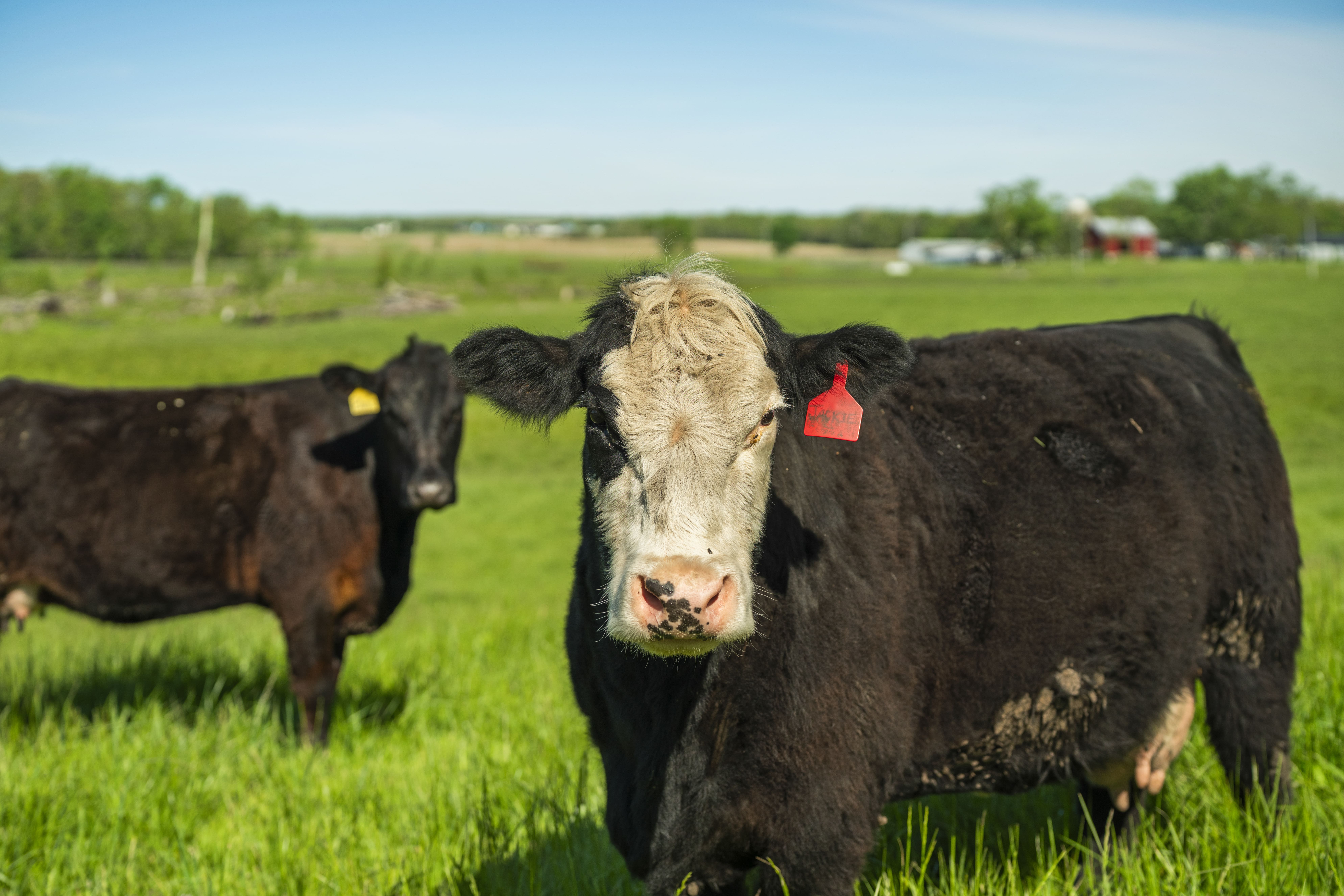
Meet the Van Winkle Family
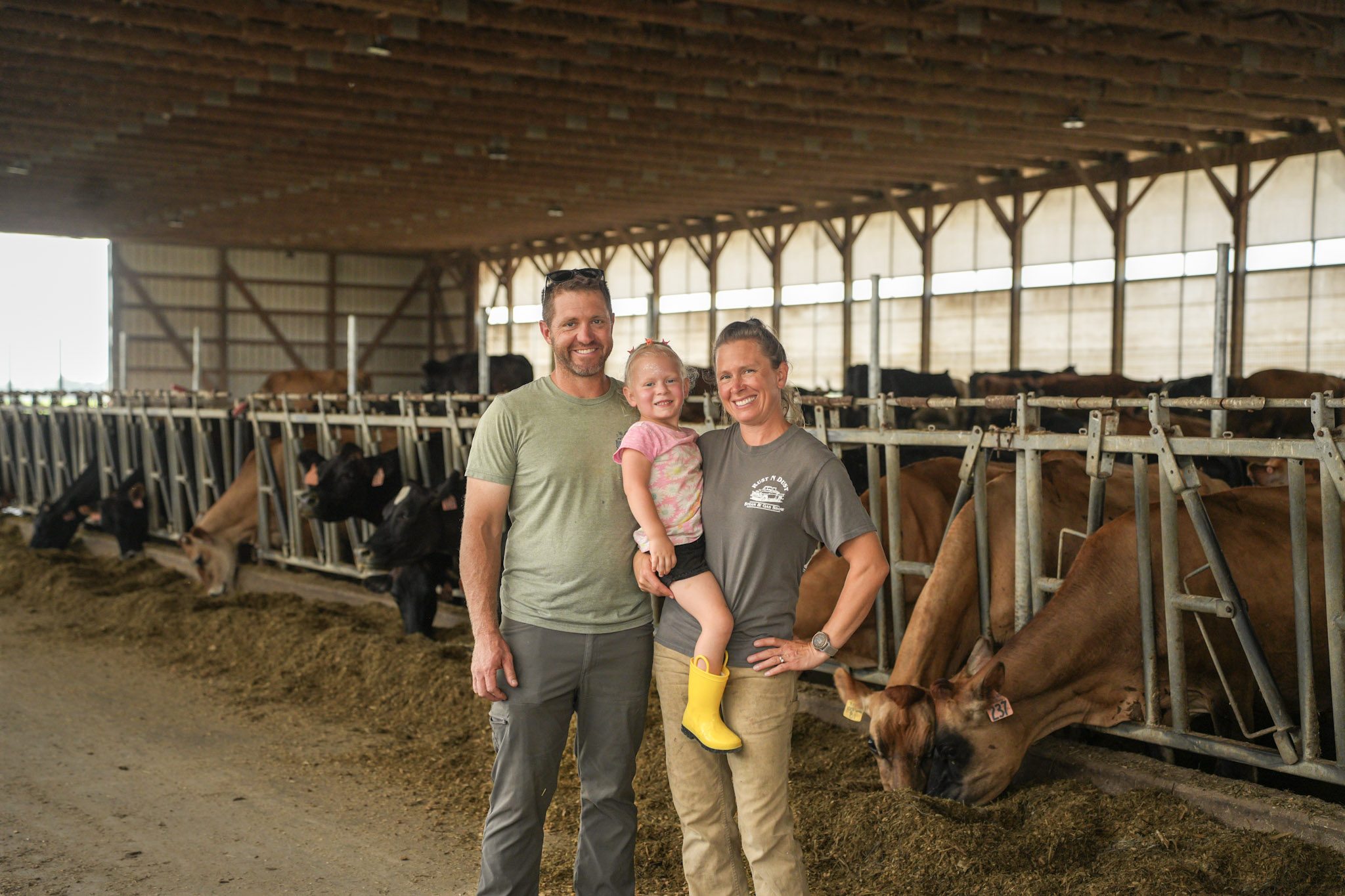
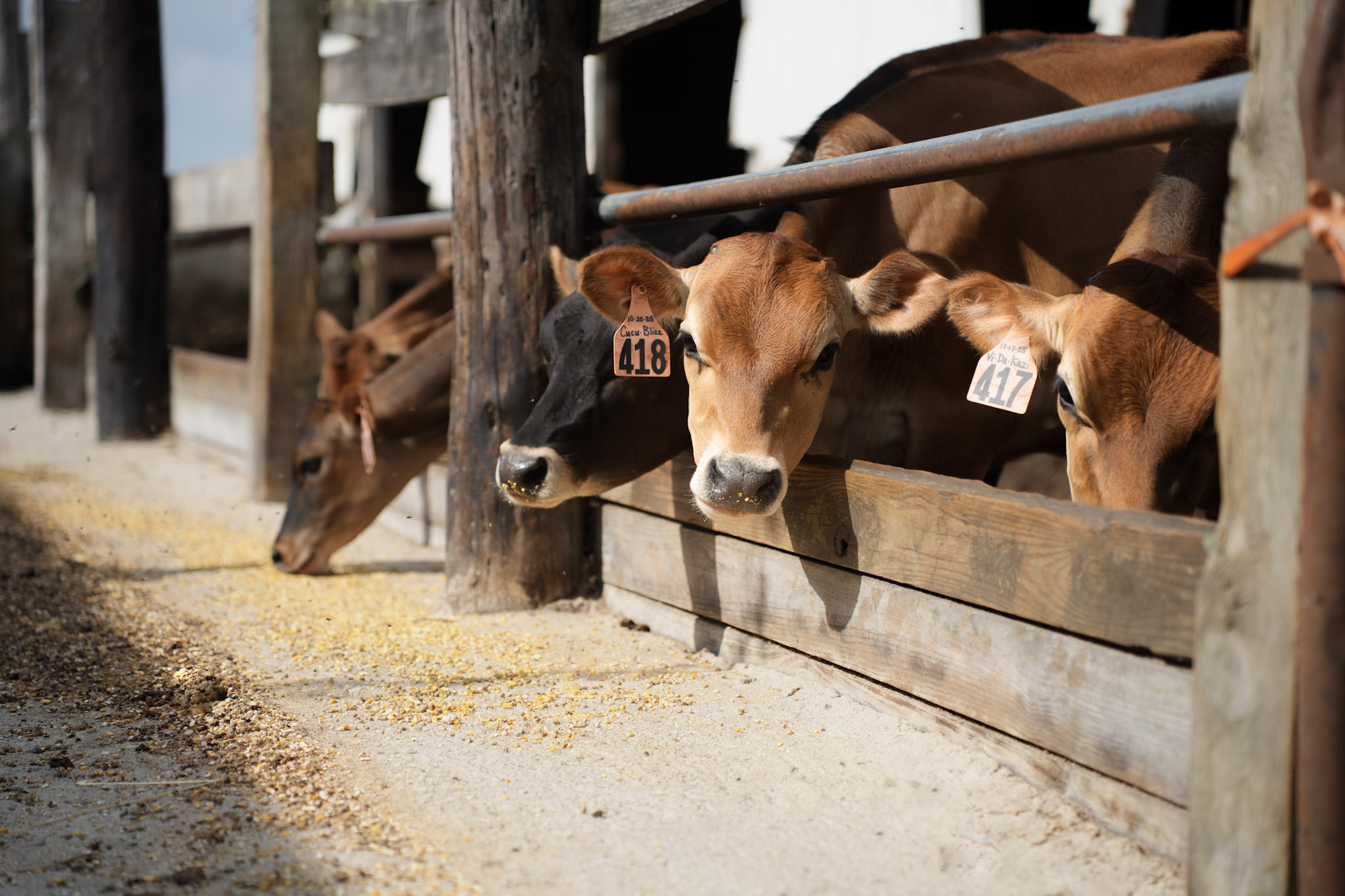
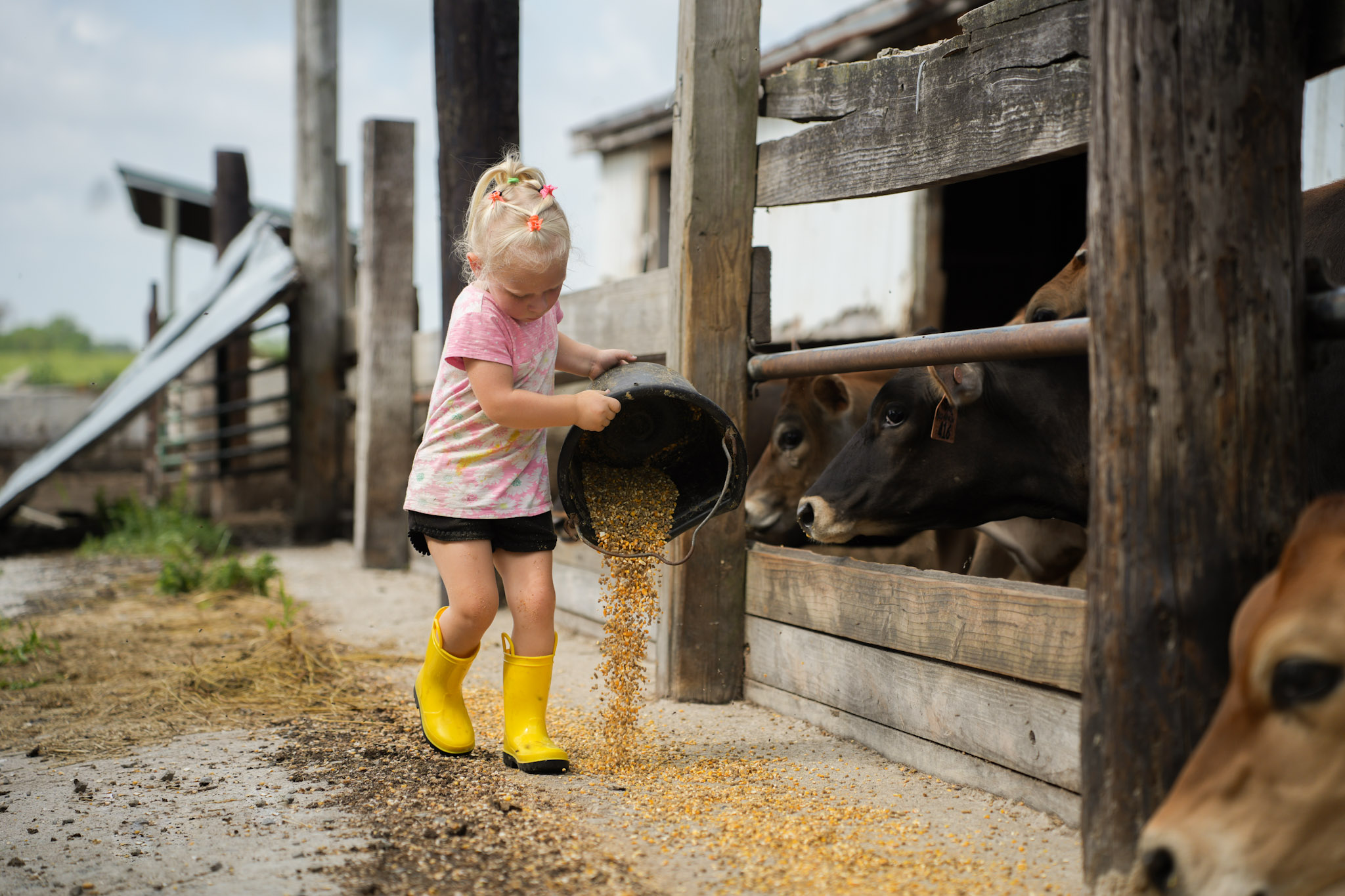
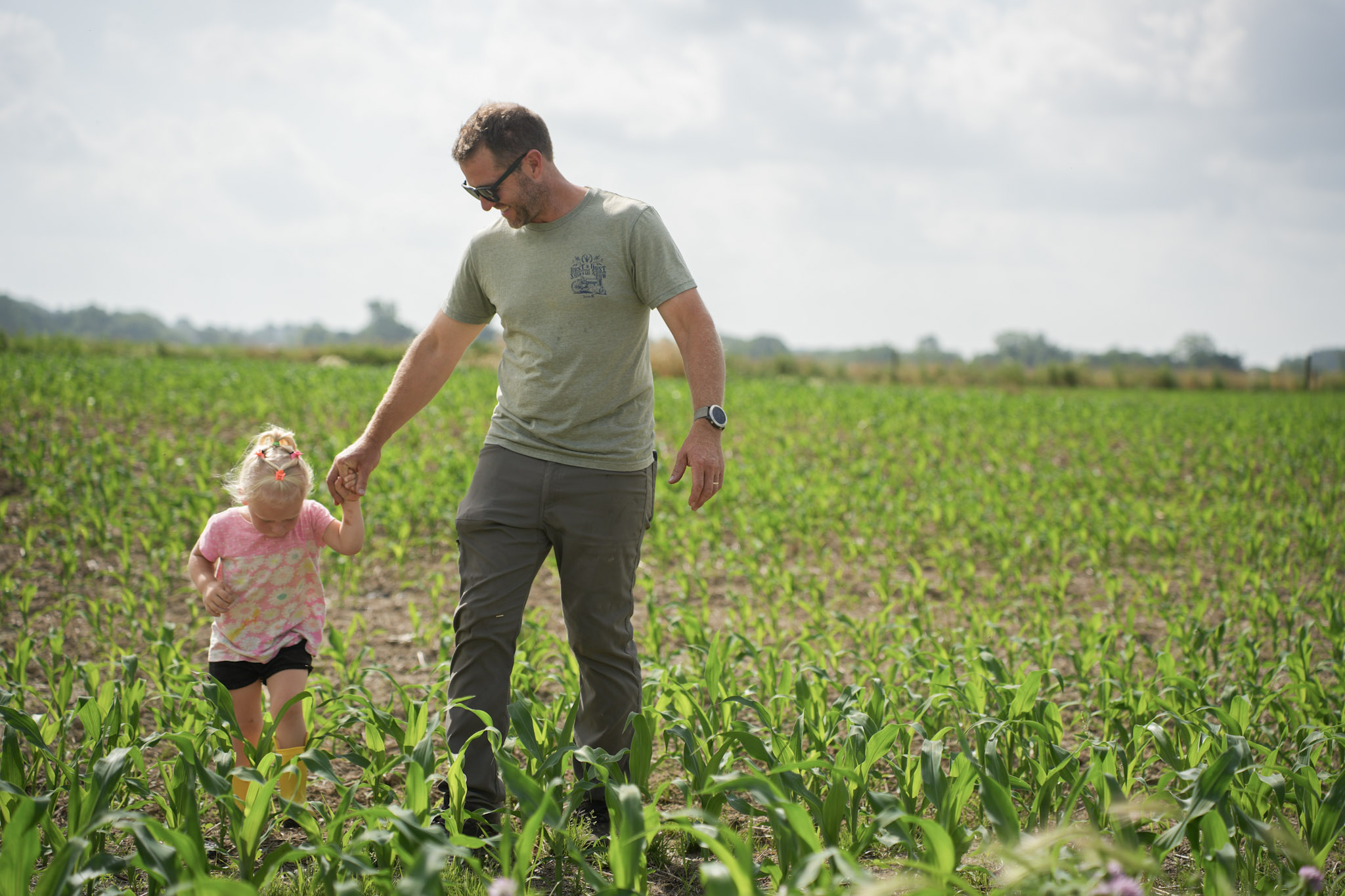
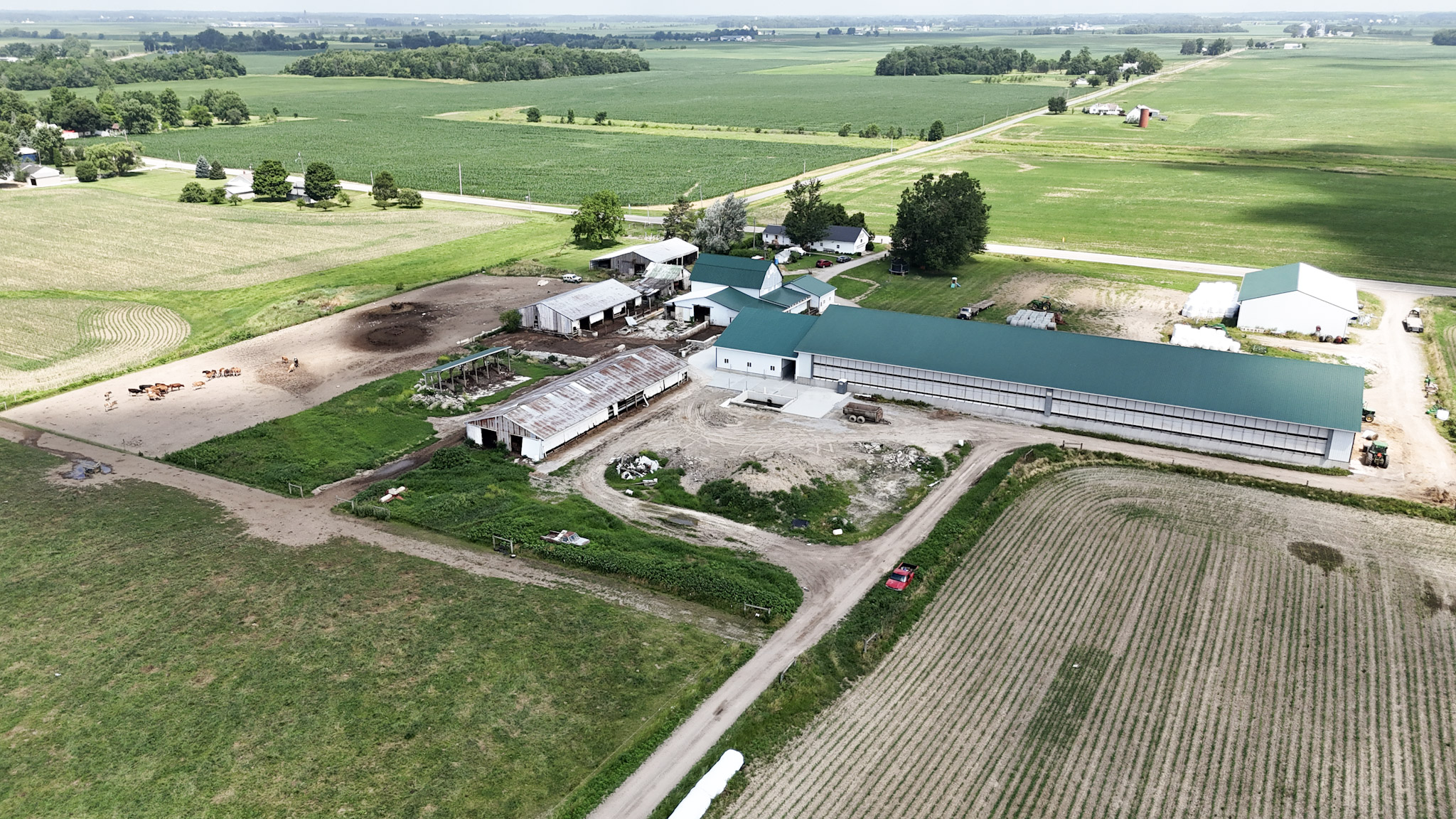
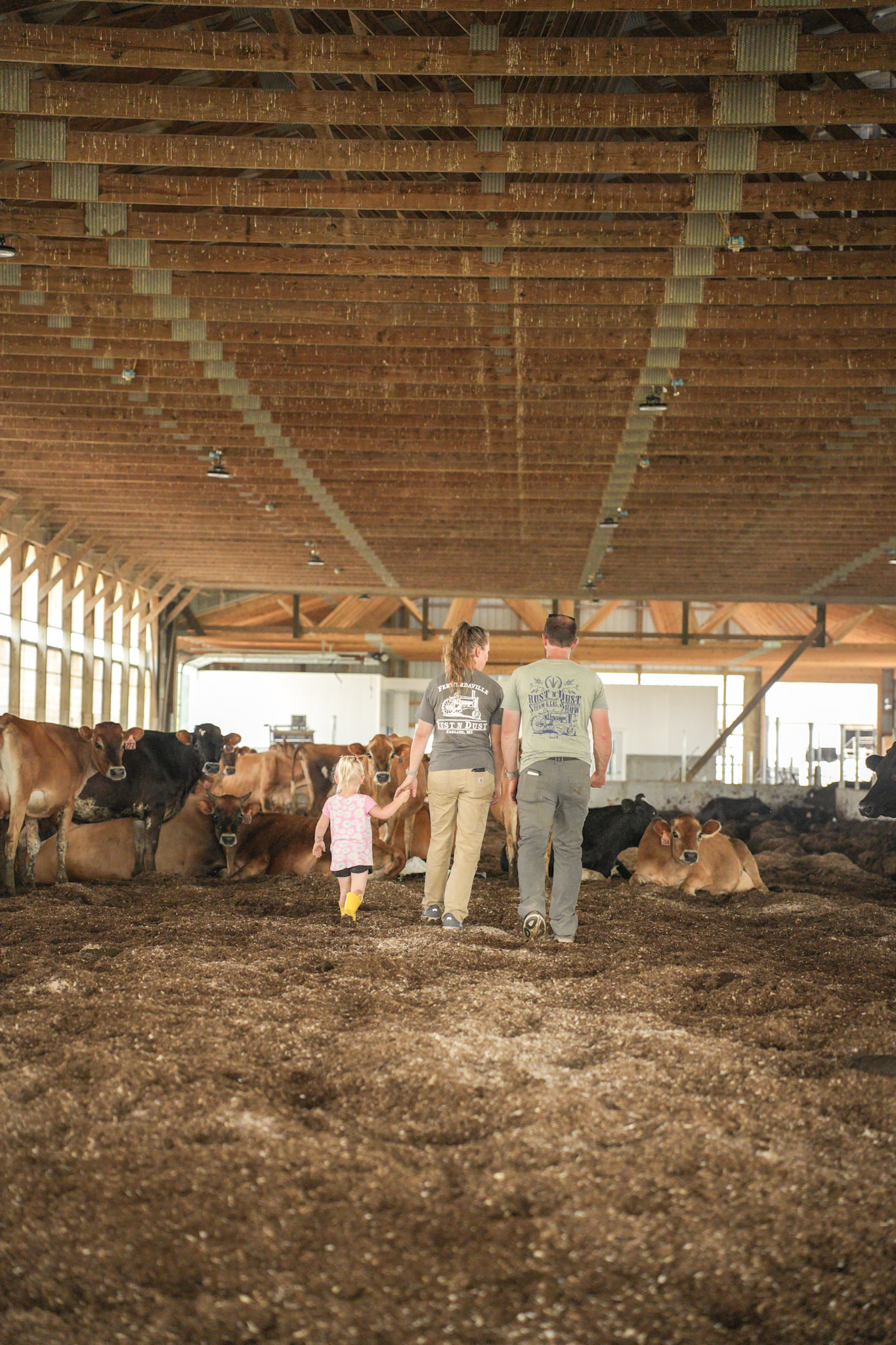
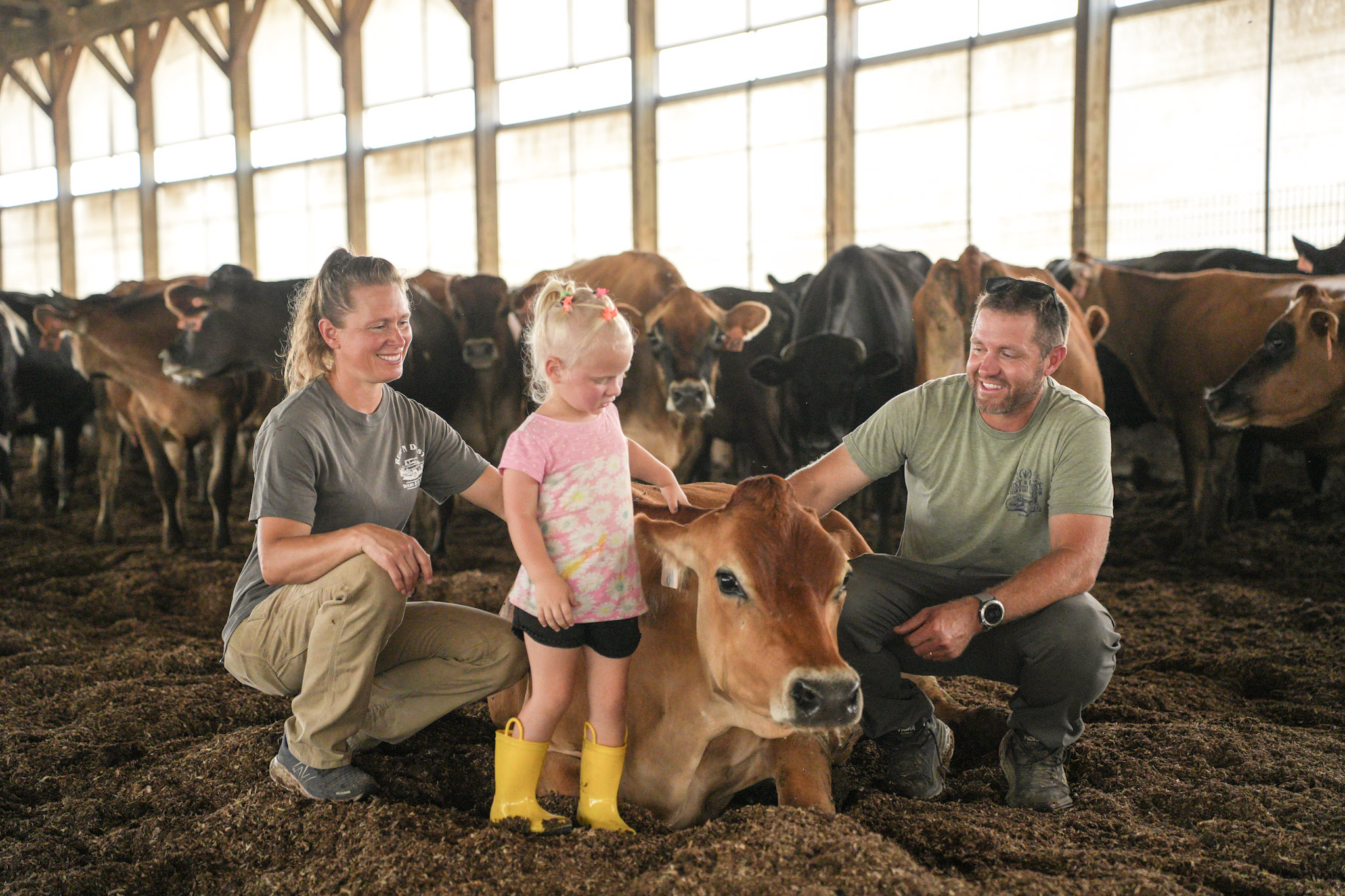
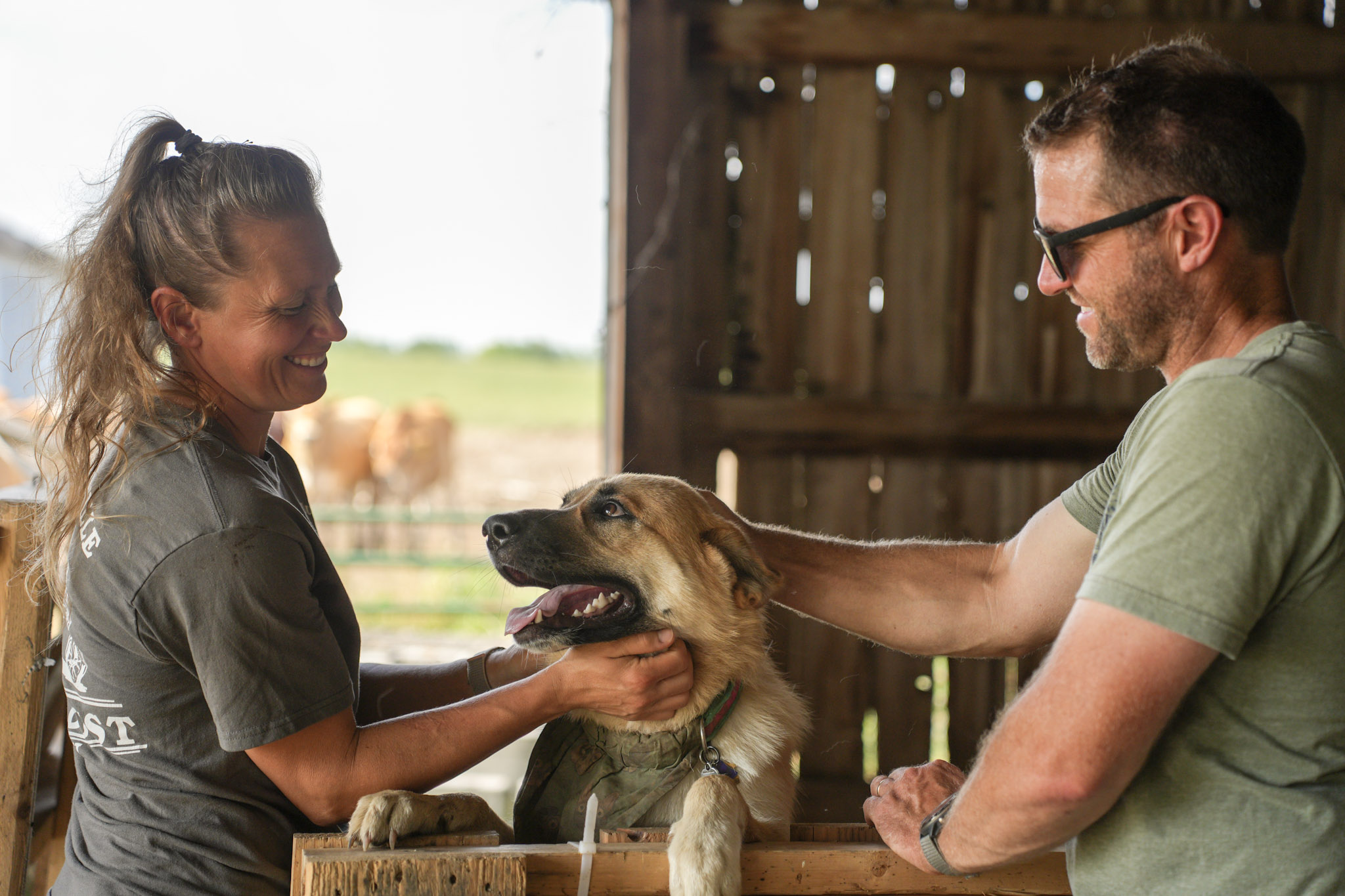
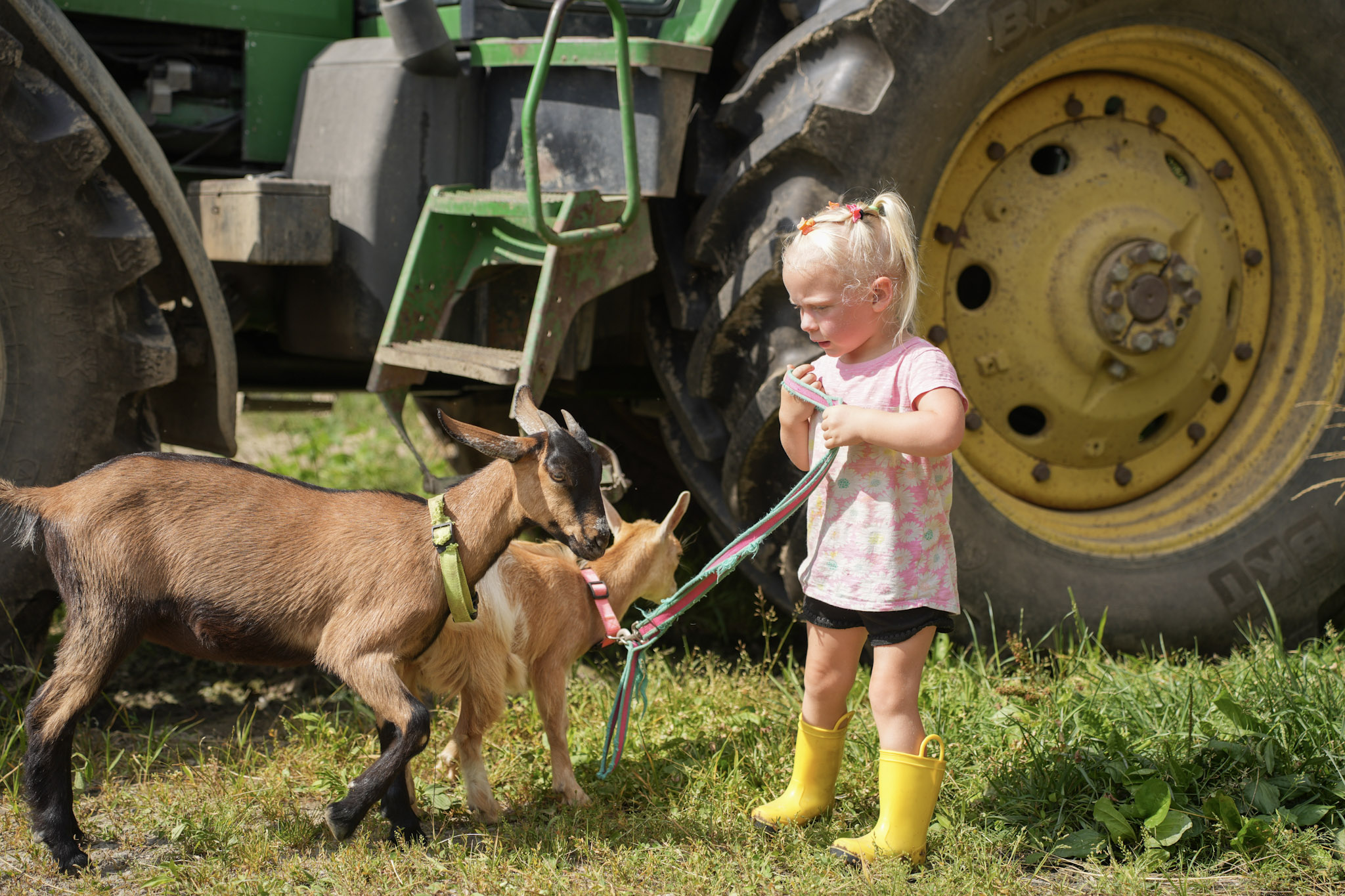
For more than 50 years, the Van Winkle family has worked the land at Van Winkle Dairy in West Mansfield, Ohio. Robert and Sharon Van Winkle bought the farm in 1972 and raised eight children on it. In 2008 they began passing it down to their son Mike, who runs the dairy today with his wife, Emily.
Dairy farming, for the Van Winkles, is a life built around family, animals, and the outdoors. Farms like the Van Winkle's are under real pressure, as decades of price swings and rising fertilizer costs have closed small dairies across the country. That’s what drew them to an on-farm anaerobic digester.
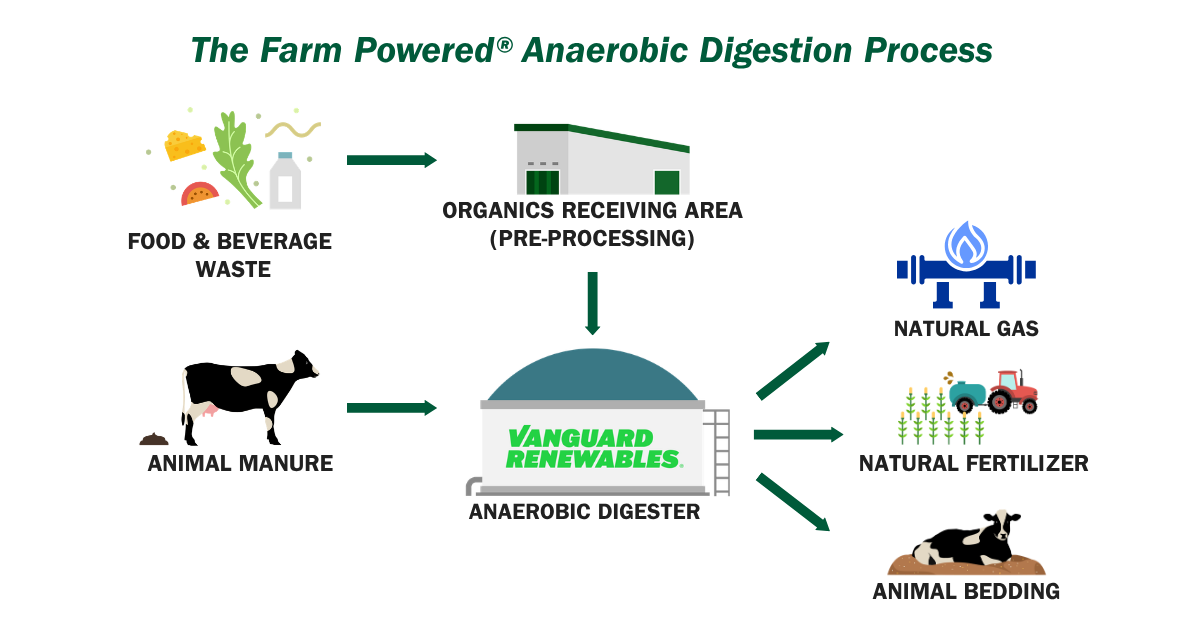
Mansfield AD1 will turn the farm's manure and locally sourced food waste into renewable natural gas. The process also produces a natural fertilizer that the Van Winkles, and their neighbors, can return to the soil. For a family that measures success in generations, it’s a way to keep the farm productive and the land healthy for whoever comes next.
“20 to 30 years from now, my hope is that the cows are still here and the farms looks very much the same as what it does today. And that it’s ready to be passed onto another generation.”
— Mike Van Winkle
Impact at a Glance


About the Anaerobic Digestion Process
- Collection: Food and beverage waste is collected and processed on-site, where packaging is separated and recycled. The remaining organic material is prepared for digestion.
- Conversion: Naturally occurring microorganisms break down the material in sealed, oxygen-free tanks, producing biogas.
- Production: The biogas is upgraded into pipeline-quality renewable natural gas (RNG) and injected directly into the local pipeline.
- Reuse: The remaining material is used as a natural fertilizer and animal bedding.
Frequently Asked Questions
Want to learn more about the Mansfield AD1 project? Explore answers to common questions about how Vanguard Renewables transforms food waste into renewable energy and supports local communities.
1. Is an anaerobic digester project safe for nearby residents?

2. Why are anaerobic digesters important?
3. How are anaerobic digesters different from a waste dump or plant?
4. How do you protect our water supply?
5. Will it create bad odors in my community?
6. Is taxpayer money used?
7. What about traffic and noise?
8. How can I get in touch with you if I have more questions?
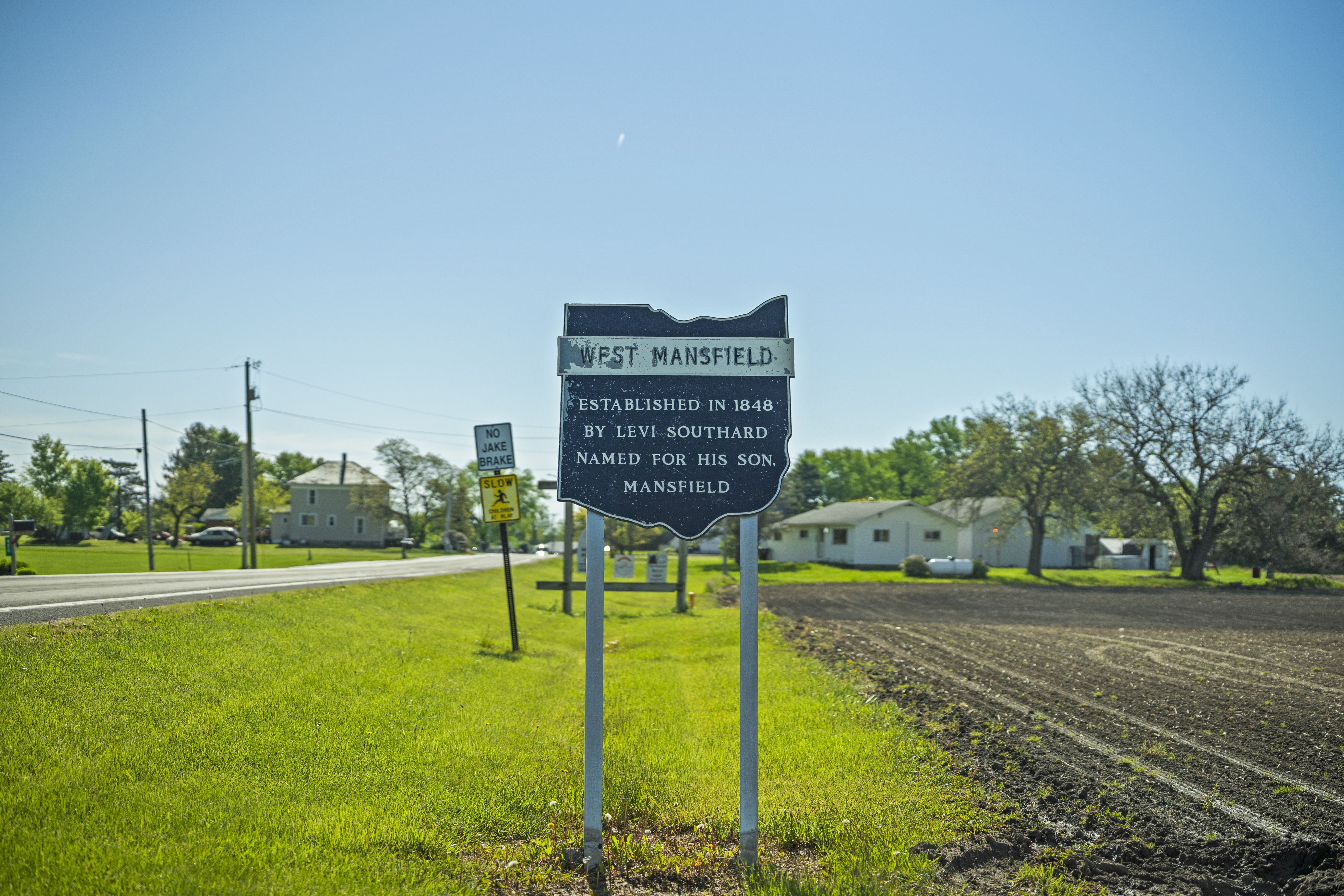
Support Mansfield AD1 in West Mansfield
If you believe this project will benefit West Mansfield, one of the most meaningful things you can do is share your support with local officials. Our county leaders truly do listen to the people who live here. Feel free to copy, personalize, and submit the letter below.
About Vanguard Renewables
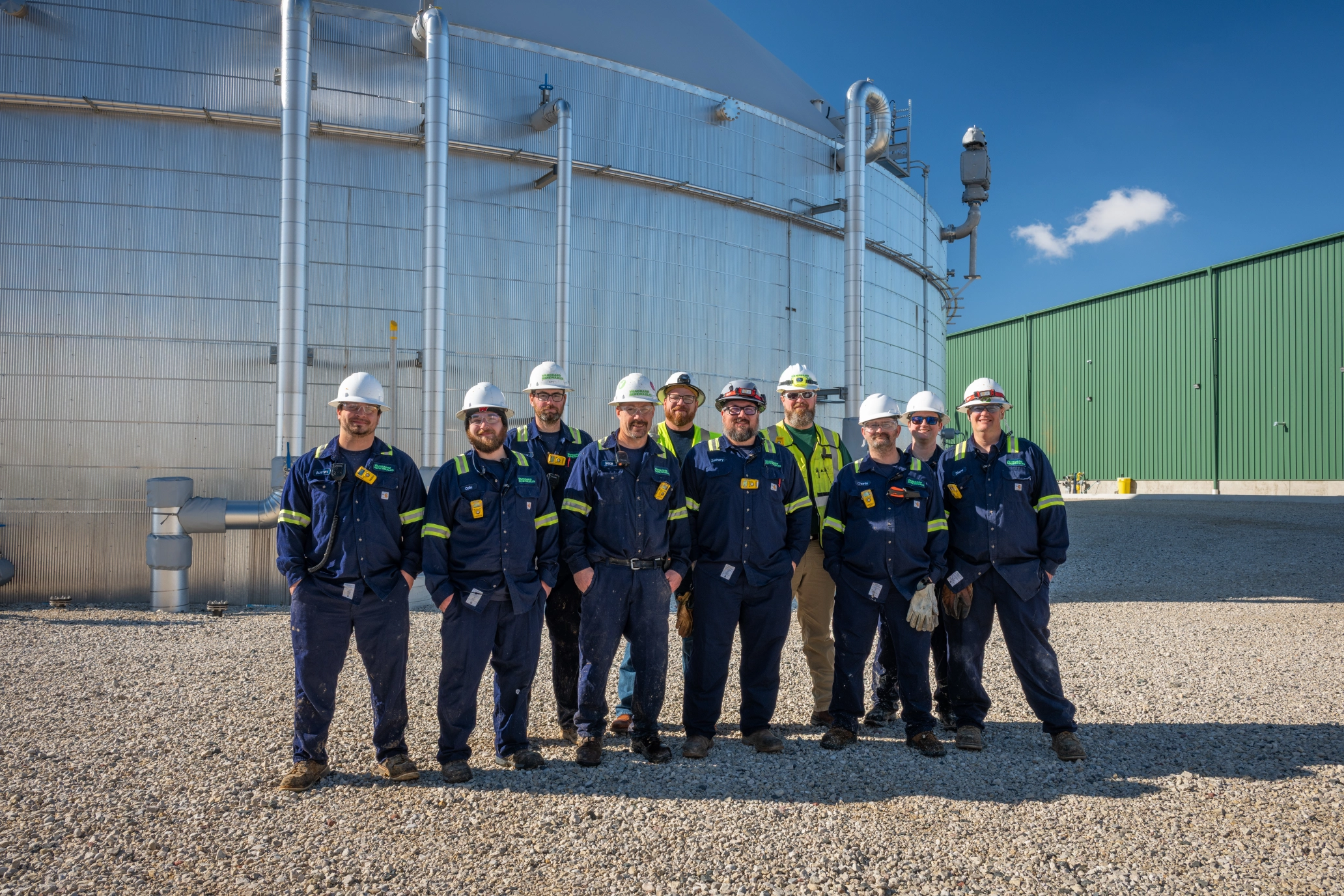
Vanguard Renewables develops and operates anaerobic digestion facilities that turn excess food and beverage waste into energy. Since 2014, the company has worked to keep organic waste out of landfills, reduce greenhouse gas emissions, and produce energy right here at home. These projects support local farms, strengthen local economies, and expand access to U.S.-produced energy.
- 11+ years of proven operational experience
- 765,000 tons of CO₂e mitigated
- 1.2 million tons of food waste recycled
- 1 million MMBtu of energy generated
Contact Us
Get In Touch